
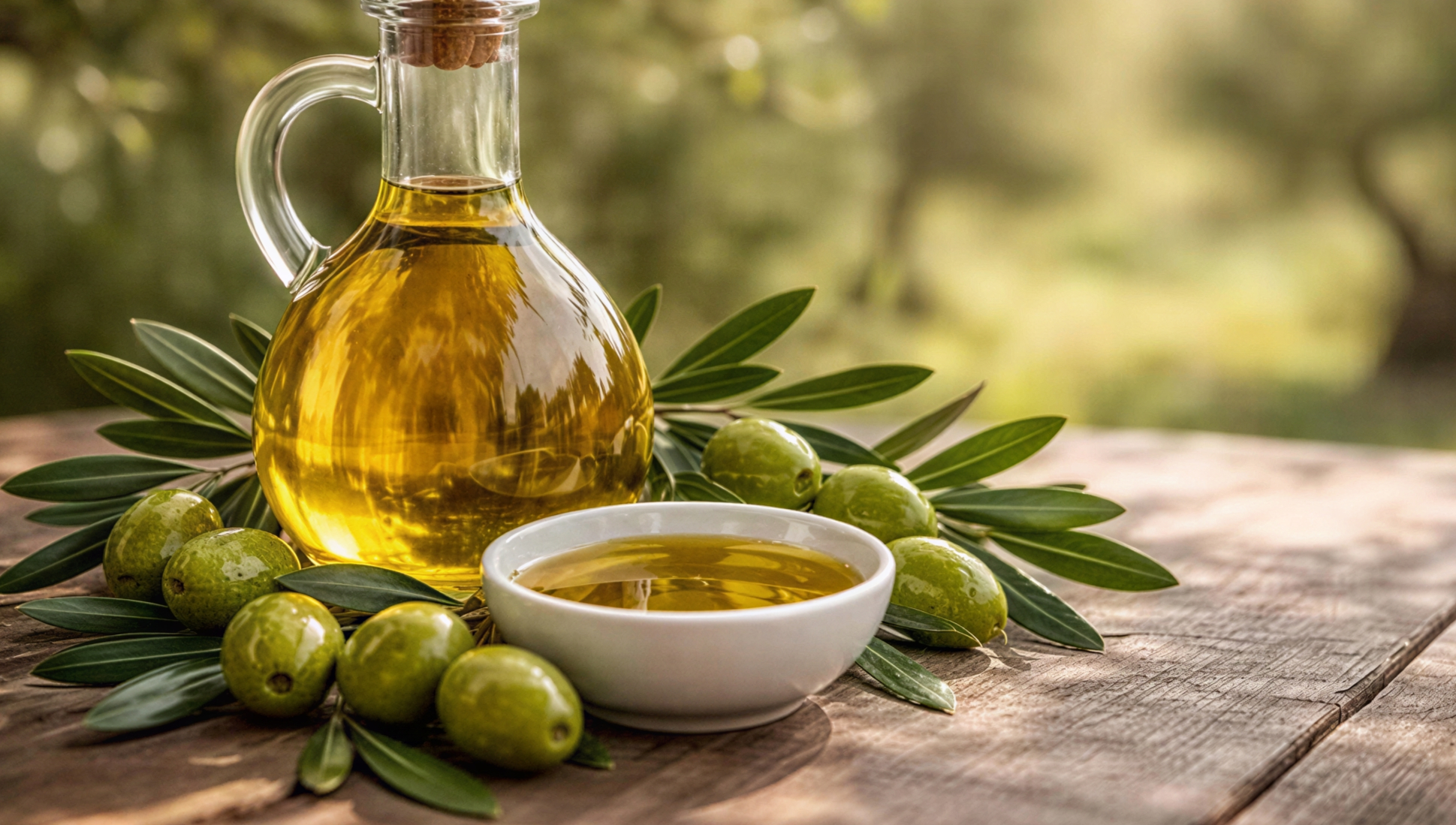
Pakistani olive oil has just picked up another win on the world stage. Loralai Olives, a homegrown brand from Balochistan, has been awarded a gold medal at the Dubai Olive Oil Competition 2026, becoming the first Pakistani olive oil brand to collect four international quality awards for its extra virgin olive oil.
For a country that has only recently entered the global olive oil conversation, this is a significant moment. It signals that Pakistani olive oil is no longer just a promising local experiment — it is being recognized by international judges alongside oils from far more established producing regions.
In this article, we break down what the award means, how Loralai Olives got here, and why the growth of Pakistani olive oil matters for the country’s agricultural future.
What Happened: Pakistani Olive Oil Wins Gold in Dubai
Loralai Olives received the gold medal at the Dubai Olive Oil Competition 2026, one of the more closely watched contests in a region that is rapidly becoming a major olive oil buyer. The win adds to a growing trophy case for the brand and, by extension, for Pakistani olive oil as a category.
This is not the company’s first recognition. Loralai Olives previously won a silver award at the New York International Olive Oil Competition (NYIOOC) in 2025, becoming the first Pakistani and South Asian brand to be honored there. It went on to receive further recognition at the London International Olive Oil Competition and the Berlin Global Olive Oil Awards before this latest gold medal in Dubai.
Four international awards in roughly a year is a fast climb for any producer, and it places Pakistani olive oil firmly on the radar of buyers who previously associated premium olive oil almost exclusively with Mediterranean countries like Italy, Spain, and Greece.
Why the Dubai Win Matters More Than It Might Seem
Not every award carries the same commercial weight, and the Dubai win is particularly meaningful for one practical reason: the UAE is one of the fastest-growing olive oil markets in the world. It is also a major gateway for premium food products entering the wider Gulf region.
Loralai Olives entered the UAE market in May 2026 and has set a target of exporting $500,000 worth of Pakistani olive oil by the end of the year through retail and distribution partnerships. A gold medal win in the very market the brand is trying to establish itself in gives it credibility that marketing alone cannot buy.
The Story Behind Pakistan’s First Award-Winning Olive Oil Brand
Loralai Olives is led by founder and CEO Shaukat Rasool, who has described the gold medal as the result of years of consistent effort rather than a single lucky harvest. In a statement following the Dubai win, he said the recognition shows that Pakistani olive oil can compete with the world’s best.
The brand sources its olives from three distinct regions: Balochistan, Pothohar, and Khyber Pakhtunkhwa. Each of these areas has its own climate and terrain, which the company says contributes to different flavor profiles across its extra virgin olive oil range. This regional diversity is part of what judges and buyers have responded to — it gives Pakistani olive oil a character of its own rather than making it a copy of Mediterranean styles.
From Balochistan’s Arid Land to International Recognition
Balochistan, where Loralai Olives sources much of its fruit, is not the kind of landscape most people associate with olive farming. Yet olive trees are naturally suited to dry, tough conditions, which is part of why the province has become central to Pakistan’s olive expansion.
The brand’s rise mirrors a broader shift happening across the country’s olive sector, where government-backed plantation programs have been steadily expanding cultivation over the past decade, giving farmers access to certified saplings, extraction facilities, and technical training.
Why Pakistani Olive Oil Is Gaining Global Attention
There are a few reasons Pakistani olive oil is starting to show up on international radars, and none of them happened by accident.
- Government-backed olive cultivation programs have expanded plantations across Balochistan, Punjab, and Khyber Pakhtunkhwa, giving producers the raw material to work with at scale.
- Investment in extraction infrastructure means olives can be milled and cold-pressed quickly after harvest, which directly affects oil quality.
- Pakistan’s recent membership of the International Olive Council is expected to strengthen quality standards and open doors for future olive oil exports.
- Rising Gulf demand for premium, traceable food products has created an opening for new entrants like Pakistani olive oil, at a time when some traditional Mediterranean producers are dealing with production pressures of their own.
None of these factors alone would have been enough. Together, they have created the conditions for a brand like Loralai Olives to go from a regional producer to an internationally awarded name in the space of about a year.
Pakistan’s Bigger Olive Oil Ambitions
Pakistan currently imports a large share of its edible oil, and the government has been pushing olive cultivation partly as a way to reduce that dependence over the long term. The success of Pakistani olive oil brands like Loralai Olives is being used as proof of concept that the country’s climate and land can support a genuine export-oriented industry, not just small-scale domestic production.
That said, it’s worth being clear-eyed about scale. Pakistan’s olive oil industry is still young compared to global leaders, and turning individual award wins into a mature export sector will take sustained investment in farming, processing capacity, and international marketing over several more years.
What This Win Means for Pakistan’s Agricultural Exports
Award wins generate headlines, but their real value lies in what they unlock afterward. For Pakistani olive oil specifically, the Dubai gold medal could help in a few practical ways:
- Easier entry into retail shelves in competitive markets like the UAE, where buyers often look for third-party validation before stocking an unfamiliar brand.
- Stronger negotiating position with international distributors who are more willing to work with a brand that has demonstrated quality through independent competitions.
- A model for other Pakistani producers to follow, potentially encouraging more investment in the country’s broader olive sector.
If Loralai Olives hits its export targets in the UAE, it could serve as a template for how other Pakistani olive oil producers approach international expansion, rather than remaining an isolated success story.
Frequently Asked Questions About Pakistani Olive Oil
What is the latest award won by a Pakistani olive oil brand?
Loralai Olives won a gold medal at the Dubai Olive Oil Competition 2026, becoming the first Pakistani olive oil brand to earn four international quality awards.
Which company makes this award-winning Pakistani olive oil?
The brand is Loralai Olives, founded by Shaukat Rasool. It sources olives from Balochistan, Pothohar, and Khyber Pakhtunkhwa to produce its extra virgin olive oil range.
Has Pakistani olive oil won international awards before?
Yes. Before the Dubai gold medal, Loralai Olives won a silver award at the New York International Olive Oil Competition in 2025 and received honors at competitions in London and Berlin.
Why does the UAE matter for Pakistani olive oil exports?
The UAE is one of the fastest-growing olive oil markets globally and serves as a gateway to wider Gulf demand for premium food products, making it a strategic market for Pakistani olive oil brands looking to expand internationally.
Is Pakistan a major olive oil producer?
Not yet on a global scale, but the industry is expanding quickly with government-backed cultivation programs and Pakistan’s recent membership in the International Olive Council, both of which are expected to support future growth in Pakistani olive oil exports.
Conclusion
The gold medal win in Dubai is another meaningful step for Pakistani olive oil and for Loralai Olives specifically, which has now collected four international awards in roughly a year. It reflects both the quality of the product coming out of Balochistan, Pothohar, and Khyber Pakhtunkhwa, and the broader push by Pakistan to build a genuine export-oriented olive oil industry.
Whether this momentum turns into a lasting global presence for Pakistani olive oil will depend on what happens next — sustained quality, smart market entry, and continued investment in the country’s olive sector. For now, it’s a genuine win worth recognizing, and one worth watching closely if you’re interested in how emerging producers are reshaping the global olive oil map.
If you want to stay updated on stories like this, check back for more coverage of Pakistan’s growing food and agriculture export sector.